Sober curious means asking why you drink, and whether you'd like to drink less. No pledge, no label, no day counter, and nobody's asking you to quit. Here's what it means, how it's different from sobriety and Dry January, and how to try an outing without a drink. Morning, noon or late.
By HappyKava, the app for kava bars. Zero judgment, zero BS.
It's a question, not a rule: why do I drink, and would I like it more or less? Mostly people land on less. Here's the whole range, from curious to sober. None is better than another.
Sober curious
Asking why you drink, instead of drinking by default. You notice when, where and why, and try some time out without it. The phrase took off with Ruby Warrington's 2018 book Sober Curious.[1]
Looks like
Ordering a soda at happy hour, just to see how it feels.
First step
Skip one drink you'd usually have on autopilot.
Mindful drinking
Drinking on purpose. You decide before you go, pick a drink you actually want, and notice how it lands.
Looks like
One really good beer, not four okay ones.
First step
Decide your number before you leave the house.
Damp drinking
The middle path between as usual and dry: fewer drinks and more days off, not zero. Damp January is the month-long version.
Looks like
Weekends only, or two and done.
First step
Pick two or three alcohol-free days a week.
A dry stretch
A set time with no alcohol at all, then you see how you feel. Dry January is the famous one.
Looks like
31 days, a calendar, and a lot of fizzy water.
First step
Pick a start date and tell one friend.
Sober
Not drinking, full stop, usually for good. For some people it's part of recovery, with a program and people behind them.
Looks like
“I don't drink.” That's the whole answer.
First step
If that's you, read the recovery note further down.
Sober curious vs sober, damp and Dry January
They get mixed up a lot. Here they are side by side.
What
The idea
How long
Still drink?
Label
Sober curious
Ask why you drink
As long as you're curious
Maybe, probably less
None needed
Damp drinking
Less, not zero
Open-ended, or a month
Yes, less of it
None
Dry January
Zero for a month
31 days
Not that month
A challenge
Sober
Zero, for good
Ongoing
No
Yours, if you want it
Plenty of people mix and match: a dry month to reset, then damp the rest of the year. Being curious is just how most of them started. Want the month-long version? Here's Dry January.
Why people get curious
Nobody needs a reason. These are the ones that come up.
01
Less really is better
The CDC says drinking less is better for your health than drinking more, and the less you drink, the lower your risk of alcohol-related harm.[3][4]
02
The guidelines moved
The 2025–2030 Dietary Guidelines for Americans dropped the old daily numbers and now just say: drink less for better overall health.[2]
03
No magic safe amount
WHO Europe says no level of drinking is known to be safe for health. Not a reason to panic. A reason to choose.[5]
04
Mornings
Nobody ever woke up wishing they'd had the fourth one. Saturday gets a lot longer.
05
Money
A round adds up fast. Some people track it for a month and are genuinely offended.
06
You're not the only one
In Gallup's 2025 poll, 54% of US adults said they drink, the lowest in its records, and half of adults 18 to 34 said they don't.[11]
Is it a phase, or a real change?
Honestly? For some people it's a month. For some it's a whole new way to go out. Some drink a little less forever and never think about it again. All of that counts.
Being curious isn't a promise. It's a question, and you're allowed to change your answer. What the numbers do say is that you'd have company: fewer Americans say they drink than at any point in Gallup's records, and a majority now say moderate drinking is bad for your health.[11]
54%of US adults said they drink in Gallup's 2025 poll, the lowest it has recorded. It was 62% in 2023.
How to start without making it a thing
No announcement required. Six small moves, in roughly this order.
01
Watch a normal week
Change nothing. Just note each drink: when, where, who with, and why. NIAAA's Rethinking Drinking suggests logging every drink, and a standard drink is smaller than most pours (5 oz of wine, 12 oz of regular beer).[7][6]
02
Pick your alcohol-free days
Two or three a week, on the calendar like plans. NIAAA's tips include weekly goals with alcohol-free days built in.[7]
03
Set a number before the first one
One idea: a two-drink rule. You decide on two before you go, and two is the night's whole plan. It's a tactic, not a medical guideline, so pick the number that fits you.
04
Have your order ready
Know what you'll get instead before anyone asks: a soda with lime, an NA beer, a kava shell. A drink in your hand ends most questions.
05
Change the plan, not just the drink
The easiest dry outing is one where nobody's drinking at all. NIAAA suggests finding other things to do and dodging your usual triggers.[7]
06
Check in after
How'd you sleep? How'd the next day go? Did you miss it? Your own answers beat anybody's rules.
Swap the moment, not just the drink
Most drinks are attached to a moment. Pick yours and see what people do instead.
The after-work drink→
A kava shell on the way home, at a bar with stools and a crowd and nothing to get drunk on. Or a long walk and a fancy soda.
Name what you actually need: to vent, to get out of the house, to be around people. Call someone, take the walk, or go sit somewhere friendly for an hour.
Tastes like bitter earthSo you drink it in one go, then take a chaser.
Numb lips mean it's workingA tingle on the lips and tongue that fades in a few minutes.
Reverse toleranceYou may feel little the first time or two. That's normal.
Best on an empty stomachAnd drink water alongside, because kava dries you out.
Never with alcoholAnd skip it if you're pregnant, nursing or have liver issues.
“Shells up!” then “Bula!”Everyone raises their shell, says it together, and drinks.
Many kava bars also pour kratom. It's a leaf, not a root, and the tea comes hot or iced, often sweetened or flavored. It can be habit-forming, so go easy, and skip it if that's a worry for you.
Opens this deal in the free HappyKava app. No app yet? You'll get the download link.
When it's more than curiosity
Sober curious is a way of living, not treatment. If cutting back is harder than you expected, that's worth listening to. If you've been drinking heavily for a long time, talk to a doctor before you stop: quitting suddenly can cause withdrawal, which can be dangerous.[9][10]
Kava isn't alcohol, and the bars on this page don't list any. Kratom can be habit-forming. Whether it fits your recovery is your call, and your program's. Never mix kava with alcohol.
Want to talk to someone? SAMHSA's National Helpline is free, confidential and open 24/7, in English and Spanish.[12]1-800-662-4357
Questions
What does sober curious mean?
Being sober curious means questioning your drinking instead of doing it on autopilot: noticing when and why you drink, and trying time without it to see how you feel. You don't have to quit, and there's no label or pledge. The phrase was popularized by Ruby Warrington's 2018 book Sober Curious.
Is sober curious the same as being sober?
No. Sober usually means not drinking at all, often for good, and for some people it's part of recovery. Sober curious is a question, not a rule: you might drink less, take breaks, or end up not drinking. It's yours to decide.
What's the difference between sober curious and Dry January?
Dry January is a set challenge: no alcohol for 31 days. Sober curious has no end date and no rules. Lots of people use a dry month as a sober curious experiment, then decide what comes next.
What is damp drinking?
Damp drinking is cutting back without quitting: fewer drinks and more alcohol-free days. Damp January is the month-long version for people who find a fully dry month too much.
What is mindful drinking?
Mindful drinking means drinking on purpose: deciding how much before you start, choosing drinks you actually want, and paying attention to how they make you feel.
Can you be sober curious and still drink?
Yes. Plenty of sober curious people still drink sometimes. The point is choosing each drink instead of defaulting to it.
How do I start being sober curious?
Watch a normal week and note each drink, then pick two or three alcohol-free days, set a number before you go out, and have an alcohol-free order ready. The easiest first step is one outing where nobody's drinking, like a kava bar.
What do I say when friends ask why I'm not drinking?
Keep it short: “I'm good, thanks,” or “Just drinking less lately.” You don't owe a reason. Holding an alcohol-free drink and suggesting a plan you'd rather do help a lot.
Where can I go out without drinking?
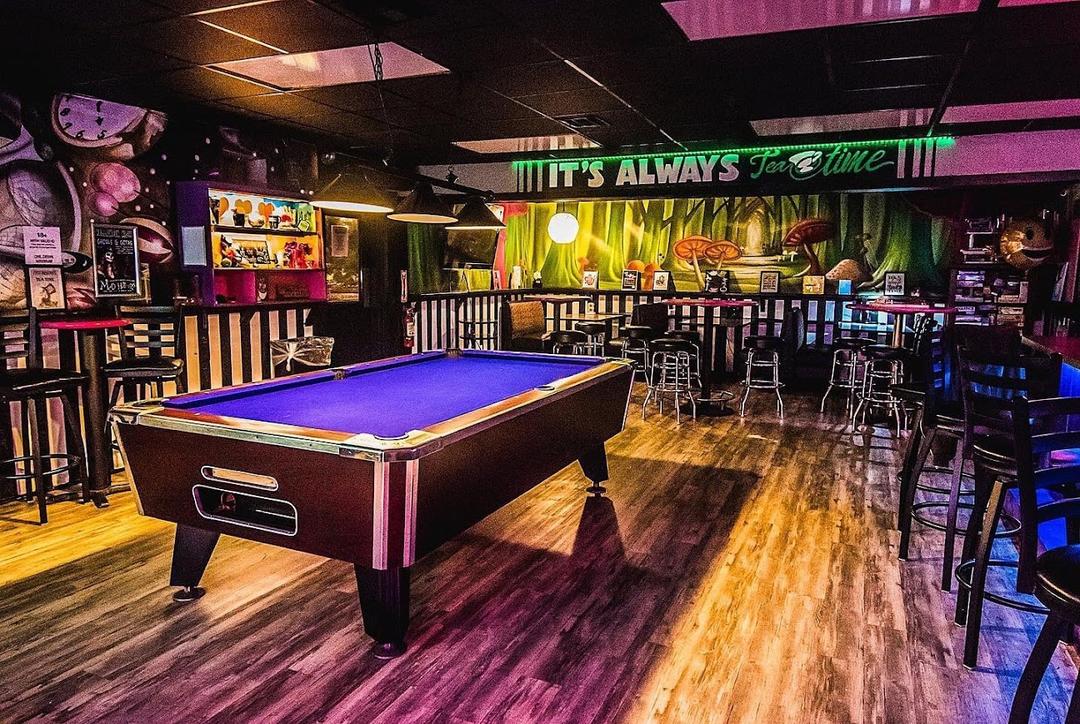
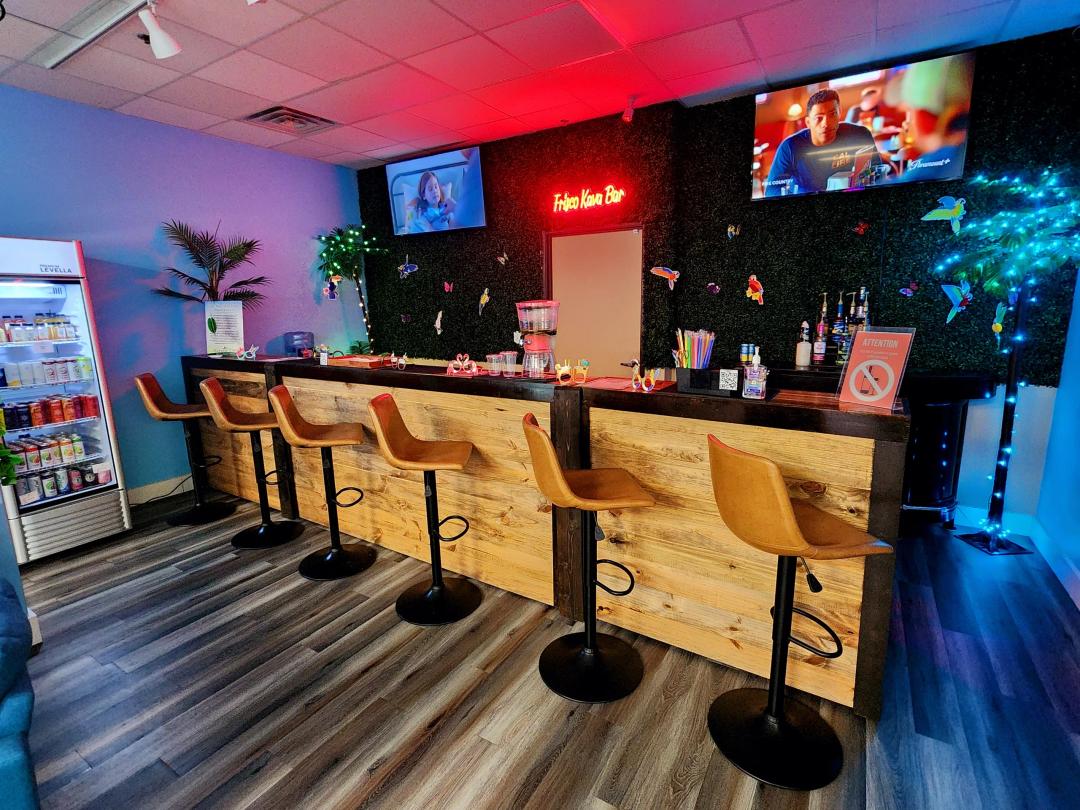
Kava bars are real bars with no alcohol on the menu: stools, a crowd, music, and things like trivia, chess, pool and open mic. Many open in the morning and stay open late, and lots set first-timer Exclusive Deals. HappyKava lists 776 kava bars that don't list alcohol.
Does kava get you drunk?
No. Kava is a social root drink from Fiji, Vanuatu, Tonga and Samoa. People describe a relaxed body and a clear head. It tastes like bitter earth, so you drink a shell in one go with a chaser, and you may feel little the first time or two. Never mix it with alcohol.
Is a kava bar OK if I'm in recovery?
Whether it fits your recovery is your call, and your program's. Kava isn't alcohol, and kratom can be habit-forming. If you want to talk to someone, SAMHSA's free, confidential National Helpline is open 24/7 at 1-800-662-4357.
Is it safe to just stop drinking?
For most people cutting back, yes. But if you've been drinking heavily for a long time, talk to a doctor before you stop: stopping suddenly can cause withdrawal, which can be dangerous.
Keep exploring
First-timer dealsExclusive Deals for your first visit at kava bars near you.
WTF is a kava bar?The whole first visit, so you can walk in like a regular.
Dry JanuaryReady for a whole month? 31 things to do and a kava bar challenge.
This guide is general information, not medical advice. HappyKava isn't connected to the book Sober Curious or its author; we use the phrase to describe the idea.
 Exclusive DealFirst timeFree